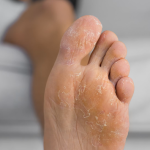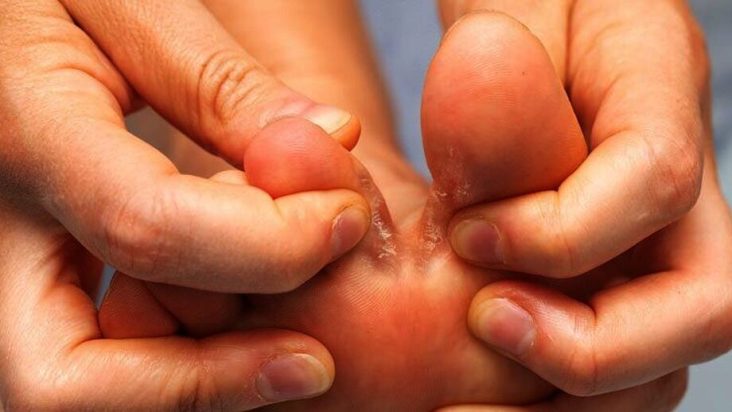
Athlete’s foot can make your feet itchy, uncomfortable, and difficult to ignore. The skin may peel, crack, burn, or become red, especially between the toes. Fortunately, athlete’s foot is usually treatable at home with the right antifungal treatment and good foot-care habits.
But getting rid of athlete’s foot is not just about stopping the itching. You need to treat the underlying fungal infection and reduce the moisture and conditions that allow it to grow.
In this guide, we’ll explain how to get rid of athlete’s foot, what treatments work, how long it can take, and what you can do to prevent it from coming back.
What Is Athlete’s Foot?
Athlete’s foot, also called tinea pedis, is a fungal infection that affects the skin of the feet.
Despite its name, you don’t have to be an athlete to get it. The infection can affect anyone, particularly people whose feet spend a lot of time in warm, damp environments.
Common symptoms include:
- Itching, especially between the toes
- Peeling or flaky skin
- Red or irritated skin
- Burning or stinging
- Cracked skin
- Small blisters
- Dry, scaly skin on the soles or sides of the feet
Athlete’s foot can spread from one part of the foot to another and can sometimes spread to other areas of the body.
What Is the Fastest Way to Get Rid of Athlete’s Foot?
The most reliable approach is to use an antifungal treatment consistently while keeping your feet clean and dry.
Over-the-counter antifungal medicines commonly contain ingredients such as:
- Terbinafine
- Clotrimazole
- Miconazole
These medications are designed to fight the fungi responsible for athlete’s foot.
The exact treatment schedule depends on the active ingredient and product, so follow the instructions on the package. Applying more medication than recommended will not necessarily make the infection disappear faster.
Step 1: Choose an Antifungal Treatment
The first step is treating the fungus itself.
Antifungal creams, sprays, or powders may be available without a prescription. Read the label carefully to make sure the product is intended to treat athlete’s foot.
Terbinafine
Terbinafine is a common antifungal used for athlete’s foot. Some products are designed to be used for a relatively short period.
Clotrimazole
Clotrimazole is another commonly used antifungal. Depending on the product, treatment may need to continue for several weeks.
Miconazole
Miconazole is also used in some over-the-counter antifungal products for fungal skin infections.
Important: Don’t choose a treatment based only on which ingredient sounds strongest. Follow the product’s directions and use it for the recommended duration.
Step 2: Apply the Treatment Correctly
Applying antifungal medication properly can make a difference.
Before applying it:
- Wash your feet.
- Dry them thoroughly.
- Pay particular attention to the spaces between your toes.
- Apply the medication according to the package directions.
- Wash your hands afterward.
Don’t apply excessive amounts in the hope of getting faster results.
If the product instructions tell you to continue treatment for a certain number of days, complete the recommended course even if your symptoms begin improving sooner.
Step 3: Keep Your Feet Dry
Moisture is one of the biggest problems when dealing with athlete’s foot.
Fungi thrive in warm, damp environments, which is why sweaty feet and wet footwear can make the problem harder to control.
After showering or bathing, dry your feet carefully.
Don’t forget between your toes.
If necessary, use a separate towel for your feet and make sure the towel is washed regularly.
Step 4: Change Your Socks Regularly
Wearing damp socks for hours creates an environment where fungi can thrive.
Change your socks at least once a day and more often if they become sweaty or wet.
Consider socks made from materials that help move moisture away from your skin.
If your feet sweat heavily, keeping an extra pair of socks available can be useful.
Step 5: Keep Your Shoes Dry
Your feet aren’t the only thing that needs to stay dry.
Shoes can trap sweat and moisture against your skin.
To reduce this problem:
- Allow shoes to dry completely before wearing them again.
- Alternate between pairs of shoes when possible.
- Choose breathable footwear.
- Avoid wearing wet shoes.
- Remove shoes when practical to allow your feet to air out.
If you repeatedly wear the same damp shoes, athlete’s foot can return even after your skin starts looking better.
Step 6: Don’t Share Towels, Socks, or Shoes
Athlete’s foot can spread through contaminated personal items.
Avoid sharing:
- Towels
- Socks
- Shoes
- Slippers
- Other items that come into contact with infected skin
Wash towels and clothing that have been in contact with the affected area regularly.
Step 7: Protect Your Feet in Public Areas
Public showers, locker rooms, swimming-pool areas, and similar wet environments can expose your feet to fungi.
Wear sandals or shower shoes instead of walking barefoot.
This is especially important if you frequently use gyms, swimming pools, dormitory showers, or other shared facilities.
Can You Get Rid of Athlete’s Foot Naturally?
You may see many home remedies promoted online, including vinegar, baking soda, tea tree oil, hydrogen peroxide, and other substances.
The problem is that not every popular home remedy has strong evidence showing that it can reliably cure athlete’s foot.
Some substances can also irritate already damaged skin.
If your goal is to get rid of the infection as reliably as possible, an appropriate antifungal treatment is generally a better starting point than experimenting with harsh household substances.
Does Athlete’s Foot Go Away on Its Own?
It is possible for symptoms to change or temporarily improve, but you shouldn’t assume that an untreated fungal infection has disappeared simply because the itching becomes less noticeable.
Without appropriate treatment and prevention, athlete’s foot can persist or return.
If you have a rash that looks like athlete’s foot, treating the fungal infection and addressing moisture are usually more useful than simply waiting for it to disappear.
How Long Does It Take to Get Rid of Athlete’s Foot?
There is no single timeline for everyone.
The length of treatment depends on:
- The antifungal medication being used
- How extensive the infection is
- How long you’ve had it
- Whether the diagnosis is correct
- Whether you continue exposing your feet to moisture
- Whether you follow the treatment instructions
Some topical antifungal treatments are designed for relatively short courses, while others require several weeks.
Your symptoms may improve before the infection has completely cleared, so don’t assume that immediate relief means you can stop treatment early.
Why Does My Athlete’s Foot Keep Coming Back?
Recurring athlete’s foot is frustrating, but there are several possible reasons.
Your Feet Stay Damp
Sweaty feet, damp socks, and wet shoes can create favorable conditions for fungal growth.
Your Shoes Stay Contaminated or Damp
Repeatedly wearing the same shoes without allowing them to dry can work against your treatment.
You Stopped Treatment Too Soon
Feeling better doesn’t necessarily mean the infection is completely gone.
You Are Being Re-Exposed
You may repeatedly encounter fungi in communal showers, locker rooms, swimming-pool areas, or through shared personal items.
It May Not Be Athlete’s Foot
Several other skin conditions can cause itching, peeling, redness, or scaling.
If treatment isn’t working, it is worth having the condition properly assessed rather than repeatedly trying different antifungal products.
Can Athlete’s Foot Spread to Your Toenails?
Yes.
A fungal infection on the skin can sometimes spread to the toenails and cause a fungal nail infection.
Toenail fungus can be more difficult and time-consuming to treat than athlete’s foot.
This is one reason it is worth addressing athlete’s foot rather than allowing it to continue untreated.
Can You Spread Athlete’s Foot to Other Parts of Your Body?
Yes.
Fungal infections can spread when you scratch or touch an infected area and then touch another part of your body.
For this reason, wash your hands after touching or applying medication to infected skin.
Avoid scratching whenever possible.
What Not to Do When Treating Athlete’s Foot
Some mistakes can make the problem worse or delay proper treatment.
Don’t Use Bleach on Your Feet
Household bleach is not an appropriate treatment for athlete’s foot and can cause skin irritation or chemical burns.
Don’t Scrub the Skin Aggressively
Scrubbing or peeling away infected skin can cause additional damage.
Don’t Keep Wearing Damp Socks
Change them when they become wet or sweaty.
Don’t Stop Treatment Immediately After Symptoms Improve
Follow the treatment instructions for the specific product you’re using.
Don’t Share Personal Items
Avoid sharing towels, socks, shoes, or slippers.
When Should You See a Doctor?
Home treatment may be reasonable for a typical, mild case, but you should seek medical advice if the condition isn’t improving or appears unusual.
Consider seeing a healthcare professional if:
- The infection is getting worse.
- Your feet are severely swollen or painful.
- You notice pus or other signs of infection.
- The rash is spreading.
- Your toenails are becoming thick, discolored, or distorted.
- The condition repeatedly returns.
- Over-the-counter treatment isn’t working.
- You’re not sure whether the problem is actually athlete’s foot.
People with certain medical conditions or weakened immune systems may also need professional advice rather than relying solely on self-treatment.
How to Prevent Athlete’s Foot From Coming Back
Once you’ve cleared the infection, prevention becomes important.
Keep Your Feet Dry
Dry your feet thoroughly after washing, especially between the toes.
Change Socks
Replace sweaty socks promptly.
Rotate Your Shoes
Give shoes enough time to dry before wearing them again.
Wear Footwear in Communal Wet Areas
Use sandals or shower shoes in public showers and locker rooms.
Don’t Share Personal Items
Keep your towels, socks, and footwear personal.
Keep Treating as Directed
Follow the instructions for your antifungal medication rather than stopping as soon as your symptoms improve.
Frequently Asked Questions
What kills athlete’s foot quickly?
Antifungal medicines such as terbinafine, clotrimazole, and miconazole are commonly used to treat athlete’s foot. They don’t usually eliminate the infection instantly, so treatment needs to be continued according to the product instructions.
How do I get rid of athlete’s foot overnight?
There is no reliable way to completely cure athlete’s foot overnight. You can begin appropriate antifungal treatment immediately, but clearing the infection generally takes longer.
Can I get rid of athlete’s foot permanently?
Yes, athlete’s foot can be treated successfully, but reinfection is possible. Keeping your feet dry, changing socks, drying footwear, and protecting your feet in communal wet areas can help prevent it from returning.
Should I moisturize athlete’s foot?
It depends on the condition of your skin. Excess moisture between the toes can encourage fungal growth, so avoid keeping the area damp. If the skin is extremely dry or cracked, ask a pharmacist or healthcare professional about appropriate skin care alongside antifungal treatment.
Is athlete’s foot contagious?
Yes. The fungus can spread through contact with infected skin and contaminated surfaces or personal items.
Final Thoughts
Getting rid of athlete’s foot requires more than simply making the itching disappear. You need to treat the fungal infection and change the conditions that allow it to survive.
An appropriate antifungal treatment can target the fungus, while keeping your feet dry, changing sweaty socks, drying your shoes, and protecting your feet in communal areas can help prevent the problem from returning.
If the infection doesn’t improve with appropriate treatment, keeps coming back, or becomes painful or severely inflamed, don’t keep experimenting with home remedies. Get the condition checked to confirm the diagnosis and determine whether you need a different treatment.