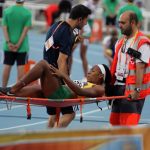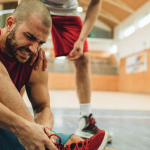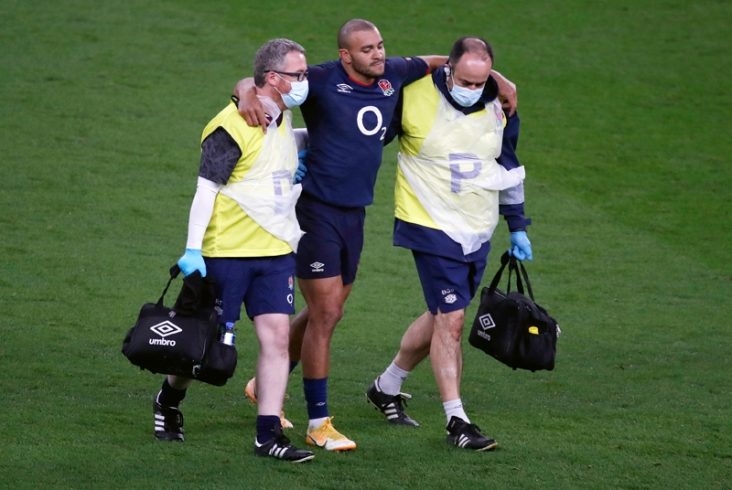
A major injury can completely change an athlete’s career.
A torn ACL, serious fracture, Achilles tendon injury, shoulder injury, or severe muscle tear can keep an athlete away from competition for months. Even after the body heals, one question often remains:
Can an athlete really return to their old level after a major injury?
The answer is yes, many athletes can return to their previous level, and some even come back stronger than before. However, there is no guarantee. The outcome depends on the type and severity of the injury, the athlete’s age and health, rehabilitation, time away from competition, mental readiness, and the demands of their sport.
A successful return is about more than getting rid of pain. The athlete must rebuild strength, movement, fitness, confidence and the ability to handle the intensity of competition.
Can an Athlete Return to Their Old Level After a Major Injury? Quick Answer
Yes, it is possible, but it is not guaranteed.
Some athletes return to exactly the same level they were at before their injury. Others return at a slightly lower level, while some never regain their previous performance.
A successful comeback usually requires:
- Proper diagnosis and treatment
- Sufficient healing time
- Structured rehabilitation
- Strength and conditioning
- Sport-specific training
- Psychological preparation
- Gradual return to competition
- Ongoing injury prevention
The biggest factor is often not simply whether the injury has healed, but whether the athlete has recovered enough to handle the physical and mental demands of their sport.
What Does “Returning to Their Old Level” Mean?
When people say an athlete has “returned,” they can mean different things.
Simply appearing in a game does not necessarily mean the athlete has returned to their old level.
A full return may mean the athlete can:
- Train normally
- Compete without significant limitations
- Produce similar statistics
- Reach previous speed or strength levels
- Perform sport-specific movements
- Handle the same workload
- Compete confidently
- Maintain performance over time
For example, a footballer may return to the pitch after an ACL injury but initially struggle with acceleration and changes of direction.
Technically, they have returned.
But they may not yet have returned to their pre-injury level.
Why Is Returning to Previous Performance So Difficult?
A major injury can affect almost every part of an athlete’s performance.
The athlete may lose:
- Muscle strength
- Explosive power
- Speed
- Endurance
- Coordination
- Flexibility
- Balance
- Confidence
- Competitive rhythm
They may also spend months without experiencing the physical demands of actual competition.
That means returning to training is only one stage of the process.
The athlete then needs to rebuild their ability to perform under pressure.
Does Healing Mean the Athlete Is Fully Recovered?
Not necessarily.
This is one of the most important points about injury recovery.
A medical scan may show that damaged tissue has healed, but that does not automatically mean the athlete is ready to perform at their previous level.
An athlete may still need to rebuild:
- Strength
- Power
- Movement control
- Fitness
- Reaction speed
- Sport-specific skills
- Confidence
Think of it as the difference between repairing the body and preparing the body for elite competition.
Those are related but different stages.
Which Injuries Make a Comeback More Difficult?
Some injuries can create particularly challenging rehabilitation periods.
Examples include:
ACL injuries
ACL injuries are common in sports involving jumping, twisting and sudden changes of direction.
Athletes often require extensive rehabilitation before returning to competition.
Achilles tendon injuries
The Achilles tendon is crucial for running and jumping.
A major injury can therefore have a significant effect on an athlete whose sport depends on explosive movement.
Major fractures
A severe fracture can require surgery, immobilization and extensive rehabilitation.
Serious shoulder injuries
Throwing athletes, swimmers and contact-sport athletes can face particular challenges because their sports place significant demands on the shoulder.
Severe muscle injuries
Major muscle tears can affect strength and explosive movement and may require carefully managed rehabilitation.
The difficulty of recovery depends on the specific injury rather than its name alone.
Can an Athlete Be Better After a Major Injury?
Yes.
A comeback does not always mean returning to exactly the same level.
Some athletes return better because their rehabilitation gives them an opportunity to improve areas of their physical preparation.
For example, an athlete may develop:
- Better strength
- Better movement mechanics
- Improved conditioning
- Better recovery habits
- Greater tactical awareness
- Better nutrition
- Greater mental resilience
The injury itself does not make an athlete better.
Rather, the rehabilitation period can encourage the athlete and their team to identify weaknesses and improve them.
How Important Is Rehabilitation?
Rehabilitation is one of the most important parts of the comeback.
An athlete cannot simply rest for several months and expect to return at full speed.
Rehabilitation usually progresses through stages.
Stage 1: Protect the injury
The immediate priority is allowing the injured area to heal.
Stage 2: Restore movement
The athlete gradually works to regain appropriate range of motion.
Stage 3: Rebuild strength
Resistance exercises help restore lost muscle strength.
Stage 4: Develop power and control
The athlete progresses to more demanding movements.
Stage 5: Sport-specific training
Exercises begin to resemble the movements required during competition.
Stage 6: Return to practice
The athlete gradually returns to normal training.
Stage 7: Return to competition
Competitive activity is introduced when the athlete is considered ready.
The exact process differs according to the injury and sport.
Why Does Strength Matter So Much?
Major injuries often result in a loss of strength.
An athlete who cannot use a leg normally for several weeks may lose muscle mass and strength in that limb.
But elite sport requires much more than basic strength.
Athletes need to produce and control force at high speeds.
That is why rehabilitation eventually progresses from basic exercises to demanding strength and power work.
The athlete may need to regain the ability to:
- Sprint
- Jump
- Land
- Stop suddenly
- Change direction
- Push
- Pull
- Throw
- Kick
The requirements depend on the sport.
How Does an Athlete Regain Their Fitness?
Time away from competition can significantly affect cardiovascular fitness and overall conditioning.
An athlete may therefore use alternative forms of exercise during the early stages of recovery when appropriate.
Later, conditioning becomes increasingly sport-specific.
For example:
Cycling → running → sprinting → high-intensity drills → full training → competition
The progression is not identical for every athlete, but the principle is similar.
The workload increases gradually.
Why Is Sport-Specific Training Important?
Being strong in a gym is not the same as being ready for competition.
A basketball player needs to jump, land, accelerate and change direction.
A tennis player needs to move laterally and repeatedly strike the ball.
A footballer needs to sprint, tackle, turn and kick while responding to unpredictable situations.
A baseball player may need explosive throwing and rotational power.
Therefore, rehabilitation eventually has to reproduce the demands of the athlete’s actual sport.
How Much Does Time Away Affect an Athlete?
The longer an athlete stays away from competition, the more difficult it can be to immediately reproduce their old performance.
They may lose:
- Match fitness
- Timing
- Rhythm
- Competitive sharpness
- Confidence
Even if their physical rehabilitation is successful, they may need several games or weeks of training to feel completely comfortable again.
This is why an athlete’s first few appearances after a major injury may not represent their eventual level.
Can an Athlete Be Afraid After Returning?
Absolutely.
Fear of reinjury is a common psychological challenge during a comeback.
An athlete may consciously or unconsciously protect the injured area.
For example, a footballer returning from a knee injury might hesitate before making a sharp change of direction.
A basketball player may hesitate when landing.
A tennis player may avoid fully extending toward a ball.
These reactions can occur even when the athlete is physically capable of performing the movement.
Why Is Confidence Important?
Elite sport requires commitment.
Athletes often need to move at extremely high speeds without hesitation.
If an athlete is constantly thinking about their previous injury, that can affect performance.
Psychological preparation can therefore be an important part of rehabilitation.
Some athletes work with sports psychologists or other mental-performance professionals to rebuild confidence.
The goal is not to pretend the injury never happened.
It is to help the athlete trust their body again.
Does Age Affect an Athlete’s Comeback?
Age can influence recovery, but it does not determine the outcome by itself.
A younger athlete may have certain advantages in recovery and adaptation, but experience can also benefit older athletes.
An experienced athlete may understand their body better and know how to manage training and recovery.
The more important factors often include:
- Injury severity
- Overall health
- Previous injury history
- Rehabilitation quality
- Training demands
- Recovery habits
- Mental readiness
There is no universal age at which a comeback becomes impossible.
Can Previous Injuries Affect Performance?
Yes.
An athlete who has suffered multiple injuries may face additional challenges.
Previous injuries can sometimes affect:
- Strength
- Mobility
- Movement patterns
- Confidence
- Training consistency
Repeated injuries may also reduce the amount of uninterrupted training an athlete can complete.
That matters because elite performance depends heavily on consistent preparation.
Why Do Some Athletes Never Return to Their Old Level?
There can be several reasons.
The injury was extremely severe
Some injuries cause lasting physical limitations.
Rehabilitation was incomplete
Returning before adequate recovery can create problems.
The athlete lost too much conditioning
Long periods away from sport can make rebuilding fitness difficult.
Psychological barriers remain
Fear or loss of confidence can affect performance.
The athlete suffered another injury
A second injury can interrupt the comeback.
Age and physical changes
An athlete’s body and performance capacity naturally change over time.
Competition has improved
The athlete may return to a sport that has changed while they were away.
The injury affects a critical physical ability
For some athletes, even a small loss of speed, explosiveness or mobility can make a significant difference.
Does Returning Take Longer for Professional Athletes?
It can.
Professional athletes are often expected to return at an extremely high level.
An ordinary person might be considered recovered when they can perform normal daily activities.
A professional footballer may need to sprint at maximum speed, change direction repeatedly and withstand physical contact.
The standard is therefore much higher.
An athlete’s return-to-sport process is designed around the demands of competition rather than ordinary daily life.
How Do Teams Decide When an Athlete Is Ready?
A medical team may consider several factors before recommending a return.
These can include:
- Strength
- Range of motion
- Balance
- Movement quality
- Sport-specific performance
- Fitness
- Pain
- Swelling
- Training tolerance
- Psychological readiness
The athlete may also need to complete increasingly demanding training sessions without significant problems.
There is rarely one single test that answers every question.
Why Don’t Athletes Immediately Play a Full Game?
A full game can place enormous demands on the body.
An athlete returning from injury may therefore start with:
- Limited training
- Individual drills
- Controlled team sessions
- Reduced playing time
- Gradually increasing competition exposure
This gives the athlete and medical team an opportunity to see how their body responds.
If everything goes well, their workload can increase.
Can Statistics Show Whether an Athlete Has Returned to Form?
Statistics can provide useful evidence, but they do not tell the whole story.
For example, a basketball player’s scoring average may decline after an injury because their minutes are being restricted.
A footballer’s goals may fall because they are still rebuilding match fitness.
A tennis player’s ranking may initially drop because they missed several months.
Therefore, performance should be assessed in context.
It may take time before an athlete’s statistics return to their previous levels.
What Can Athletes Do to Improve Their Chances of a Successful Comeback?
There is no guaranteed formula, but several factors can help.
Follow the rehabilitation plan
Skipping stages can create unnecessary problems.
Do not rush the timeline
Healing cannot always be accelerated safely.
Maintain fitness where possible
Alternative training can help preserve conditioning.
Rebuild strength gradually
The injured area needs to tolerate increasing loads.
Practice sport-specific movements
The body needs to prepare for the actual demands of competition.
Work on confidence
Mental readiness matters.
Prioritize recovery
Sleep, nutrition and appropriate rest support the overall process.
Communicate with the medical team
Pain, swelling or other changes should not be ignored.
Famous Athletes Who Returned From Major Injuries
There are many examples of athletes who returned from serious injuries and performed at an extremely high level.
Adrian Peterson
The NFL running back returned from a major knee injury and produced one of the most remarkable seasons of his career.
Tiger Woods
Woods has repeatedly returned to professional golf after significant injuries and surgeries.
Alex Smith
Smith’s return to the NFL after a devastating leg injury was one of the most remarkable comeback stories in American football.
Lindsey Vonn
The Olympic skier repeatedly battled serious injuries during her career and continued competing at the highest level.
These stories demonstrate what is possible, but they should not be treated as guarantees.
Every athlete and injury is different.
Does a Major Injury Always Reduce an Athlete’s Career?
No.
Some athletes return and continue competing for many years.
Others return but experience reduced performance.
Some are forced to retire.
The outcome can depend on the injury, treatment, rehabilitation and circumstances surrounding the athlete.
A major injury can certainly change a career, but it does not automatically determine how that career will end.
How Long Does It Take to Return to Previous Form?
There is no universal timeline.
An athlete might return to competition after a certain number of months but need additional time to regain their previous level.
This distinction is important:
Return to competition ≠ return to peak performance.
An athlete may be medically cleared to play but still require weeks or months of training and competition before they feel like themselves again.
What Is the Biggest Challenge After Returning?
For many athletes, the biggest challenge is consistency.
Performing well in one game does not necessarily mean the athlete has fully recovered.
They need to demonstrate that they can:
- Train consistently
- Compete repeatedly
- Recover between games
- Handle increasing workloads
- Avoid recurring problems
The ability to perform at a high level repeatedly is what ultimately demonstrates a successful comeback.
Frequently Asked Questions
Can athletes return to their previous level after a major injury?
Yes. Many athletes successfully return to their previous level, although some do not fully regain their pre-injury performance.
Can an athlete become better after an injury?
Yes. Rehabilitation can sometimes improve strength, conditioning, movement quality and other aspects of performance.
How long does it take to regain old performance?
It depends on the injury and athlete. An athlete may return to competition before fully regaining their previous form.
What is the hardest part of returning from an injury?
It varies. Physical strength, fitness, confidence and fear of reinjury can all be major challenges.
Can an athlete return too soon?
Yes. Returning before adequate healing and rehabilitation can increase the risk of setbacks or further injury.
Does age determine whether an athlete can make a comeback?
No. Age is one factor among many. Injury severity, health, rehabilitation and sport-specific demands also matter.
Is mental recovery as important as physical recovery?
Mental readiness is an important part of returning to competition. An athlete needs confidence as well as physical ability.
Final Thoughts
Can an athlete return to their old level after a major injury?
Yes—but there is no guarantee.
A major injury can take away months of training and force an athlete to rebuild abilities they once took for granted. Even after the injury heals, the athlete may need additional time to regain strength, fitness, timing, confidence and competitive rhythm.
The most successful comebacks usually involve patience and a carefully structured rehabilitation process.
And there is an important distinction to remember:
Returning to the field is not the same as returning to your old level.
An athlete may be able to compete again but still need time before they can perform at their best.
For some athletes, that process takes weeks. For others, it takes months. And for a fortunate few, the comeback eventually becomes one of the greatest chapters of their career.