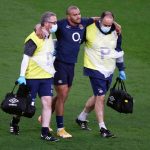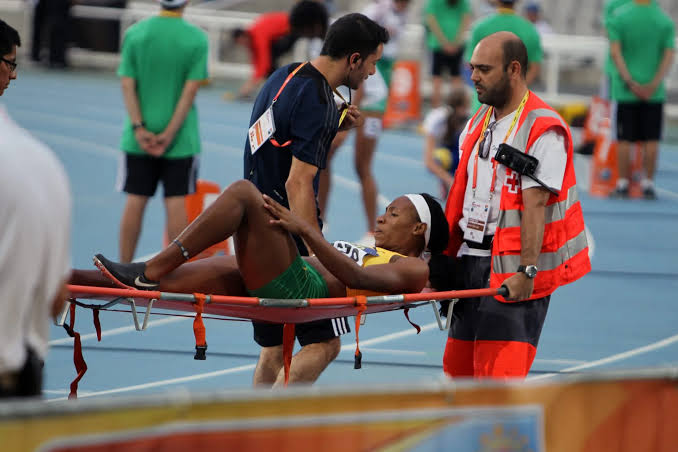
A serious injury can change an athlete’s career in a matter of seconds. A torn ligament, broken bone, severe muscle injury, concussion, or major joint injury can force an athlete away from competition for weeks or even months.
So, how do athletes recover from serious injuries?
Recovery usually involves much more than simply resting until the pain disappears. Professional athletes typically go through a structured process that may include medical assessment, surgery when necessary, controlled rehabilitation, strength training, sport-specific exercises, psychological support, and a gradual return to competition.
The exact recovery plan depends on the injury, the athlete’s health, the sport they play, and whether surgery is required.
Here is how the process generally works.
How Do Athletes Recover From Serious Injuries? Quick Answer
Athletes recover from serious injuries by following a gradual, medically supervised rehabilitation program.
The process often includes:
- Immediate medical assessment
- Controlling pain and swelling
- Rest and protection of the injured area
- Surgery when necessary
- Restoring movement and flexibility
- Rebuilding strength
- Improving balance and coordination
- Sport-specific training
- Mental recovery
- Gradual return to practice
- Medical clearance
- A controlled return to competition
The goal is not simply to make the athlete feel better. The athlete needs to regain enough strength, movement, confidence, coordination and sport-specific ability to compete safely.
What Happens Immediately After a Serious Sports Injury?
The first step is usually to determine exactly what has happened.
An athlete may be removed from competition and assessed by medical professionals.
Depending on the injury, doctors may use:
- Physical examination
- X-rays
- MRI scans
- CT scans
- Ultrasound
- Neurological assessments
- Blood tests in some circumstances
The purpose is to determine the severity of the injury and whether there is damage to bones, muscles, tendons, ligaments, nerves or other structures.
For example, an athlete who appears to have a simple knee injury could actually have a torn ligament.
Getting the diagnosis right is therefore extremely important.
Why Do Athletes Need a Proper Diagnosis?
An injury cannot be rehabilitated properly if its severity is unknown.
A minor muscle strain may require a relatively short period of modified activity.
A completely torn ligament could require months of rehabilitation and possibly surgery.
Doctors and sports medicine professionals therefore need to answer questions such as:
- What structure is injured?
- How severe is the damage?
- Does the athlete need surgery?
- Can the injury heal naturally?
- How much weight can the athlete put on the area?
- What movements should be avoided?
- When can rehabilitation begin?
- What are the risks of returning too soon?
The answers determine the athlete’s recovery plan.
Do Athletes Always Need Surgery?
No.
Surgery is sometimes necessary, but not every serious injury requires an operation.
Some injuries can be treated with:
- Rest
- Immobilization
- Physical therapy
- Strengthening exercises
- Medication when appropriate
- Gradual rehabilitation
Other injuries may require surgical repair.
For example, certain severe ligament tears, fractures or tendon injuries may require an operation depending on the athlete’s circumstances and the demands of their sport.
The decision is made based on the specific injury rather than simply because the athlete is a professional.
What Happens During Surgery?
When surgery is necessary, the objective is usually to repair or reconstruct damaged tissue.
For example, an athlete with a torn anterior cruciate ligament (ACL) may undergo reconstructive surgery.
An athlete with a serious fracture may need surgery to realign and stabilize the bone.
After surgery, rehabilitation becomes an important part of the recovery process.
Surgery can repair a structural problem, but it does not immediately restore the athlete’s strength, movement or ability to perform their sport.
The First Stage of Rehabilitation
Once the injury has been stabilized, rehabilitation can begin.
The earliest stage often focuses on protecting the injured area while preventing unnecessary loss of movement and physical fitness.
Depending on the injury, rehabilitation may involve:
- Gentle movement
- Reducing swelling
- Maintaining mobility
- Basic muscle activation
- Carefully controlled weight-bearing
- Maintaining fitness in unaffected parts of the body
The exercises are usually introduced gradually.
Trying to do too much too soon can interfere with healing.
How Do Athletes Regain Their Strength?
Serious injuries can cause muscles to become weaker surprisingly quickly.
An athlete who spends weeks unable to train normally may lose strength, endurance and muscle mass.
Rehabilitation therefore progressively introduces resistance exercises.
These might include:
- Bodyweight exercises
- Resistance bands
- Weight training
- Isometric exercises
- Machines
- Balance exercises
- Controlled functional movements
The workload gradually increases as the injured area becomes stronger.
The goal is to eventually restore the athlete’s ability to produce and control force.
Why Is Physical Therapy So Important?
Physical therapy is one of the most important parts of recovery for many serious sports injuries.
A physical therapist can help an athlete restore:
- Range of motion
- Strength
- Flexibility
- Balance
- Coordination
- Stability
- Movement patterns
The therapist also monitors how the athlete responds to increasing workloads.
For a professional athlete, rehabilitation is often highly specific.
A football player, tennis player and basketball player may have completely different requirements even if they suffer similar injuries.
Athletes Do More Than Strength Exercises
Recovery is not simply about making a muscle stronger.
An athlete also needs to relearn how to move efficiently.
For example, after a serious knee injury, rehabilitation may eventually include exercises designed to improve:
- Landing mechanics
- Cutting
- Changing direction
- Jumping
- Accelerating
- Decelerating
- Single-leg stability
These movements are important because they resemble what happens during actual competition.
How Do Athletes Maintain Fitness While Injured?
One of the biggest challenges of serious injuries is losing overall fitness.
An athlete may be unable to run, jump or train normally, but that does not necessarily mean they must stop exercising completely.
Depending on the injury, medical and rehabilitation professionals may allow alternative forms of training.
These could include:
- Swimming
- Stationary cycling
- Upper-body training
- Pool exercises
- Ergometer workouts
- Core training
The type and timing of alternative exercise depend entirely on the injury.
The objective is to maintain as much general fitness as possible without interfering with healing.
How Do Athletes Return to Their Sport?
This is one of the most important stages.
An athlete cannot usually go from rehabilitation directly into a competitive match.
Instead, the workload is increased gradually.
A typical progression might look like:
Rehabilitation → individual training → modified team training → full training → competitive return
At first, the athlete might perform basic sport-specific movements.
Later, they may practice at higher speeds and greater intensity.
Eventually, they participate in full training sessions.
Only after they demonstrate sufficient readiness can they return to competition.
Why Is a Gradual Return Important?
Feeling better does not necessarily mean an injury has completely recovered.
Pain may disappear before strength and coordination have returned to normal.
An athlete who returns too quickly may therefore increase their risk of another injury.
A gradual return allows medical and coaching staff to observe how the athlete responds to increasing demands.
It also gives the athlete time to rebuild confidence.
What Does “Game Ready” Actually Mean?
Being game ready means more than simply being able to walk or jog without pain.
Depending on the sport and injury, the athlete may need to demonstrate:
- Adequate strength
- Sufficient range of motion
- Good balance
- Good coordination
- Sport-specific fitness
- Ability to tolerate high-intensity movements
- Confidence in the injured area
- Ability to complete full training
Medical professionals may use objective tests to compare the injured side with the uninjured side or assess whether the athlete can safely perform movements required by their sport.
How Long Does It Take Athletes to Recover From Serious Injuries?
There is no single recovery time.
Some serious injuries take several weeks.
Others can require many months.
Certain injuries may take a year or longer before an athlete is ready for unrestricted competition.
Recovery time depends on factors such as:
- Type of injury
- Severity
- Location
- Treatment
- Whether surgery is required
- Age
- Previous injuries
- General health
- Rehabilitation progress
- Sport-specific demands
Two athletes with apparently similar injuries may therefore return at very different times.
Why Do Some Athletes Recover Faster Than Others?
Professional athletes have access to extensive resources, but that does not mean every athlete heals at the same speed.
Individual differences matter.
Factors that can influence recovery include:
The severity of the injury
A partial tear and complete tear are very different problems.
Previous injuries
Previous damage can affect rehabilitation and movement.
Age
Recovery capacity can vary with age.
Overall health
Nutrition, sleep and general health can influence the recovery process.
Rehabilitation
Following the rehabilitation plan consistently is important.
Mental state
Confidence, motivation and fear of reinjury can affect the return-to-sport process.
How Important Is Sleep During Injury Recovery?
Sleep is an important part of an athlete’s overall recovery.
During sleep, the body carries out many processes involved in tissue repair, immune function and physical recovery.
Professional athletes may therefore pay close attention to:
- Sleep duration
- Sleep quality
- Consistent sleep schedules
- Recovery routines
An injured athlete may need to prioritize sleep just as much as training.
How Does Nutrition Help Injured Athletes?
Nutrition provides the energy and nutrients the body needs during recovery.
Athletes may work with nutrition professionals to ensure they are getting adequate amounts of:
- Protein
- Carbohydrates
- Healthy fats
- Vitamins
- Minerals
- Fluids
Protein is particularly important because maintaining muscle becomes challenging when an athlete cannot train normally.
However, athletes should not assume that taking large amounts of supplements will automatically speed healing.
Nutrition plans should be appropriate to the individual’s needs.
Do Athletes Take Supplements During Recovery?
Some athletes use supplements as part of their nutrition programs, but supplements are not a substitute for rehabilitation, adequate food or medical care.
Professional athletes also have to be particularly careful because certain supplements can contain substances prohibited by anti-doping organizations.
For competitive athletes, supplements should be evaluated carefully and, where appropriate, discussed with qualified sports nutrition professionals.
How Do Athletes Recover Mentally From Serious Injuries?
The psychological side of injury recovery is often overlooked.
A serious injury can be emotionally difficult.
Athletes may experience:
- Frustration
- Anxiety
- Fear of reinjury
- Loss of confidence
- Boredom
- Isolation
- Anger
- Uncertainty about their career
An athlete who has spent years competing may suddenly be unable to do the activity that defines much of their daily life.
That can be difficult.
Why Is Confidence Important After an Injury?
An athlete can be physically recovered but still hesitate to use the injured body part.
For example, a football player recovering from a knee injury might be physically capable of changing direction but remain afraid of doing it at full speed.
That hesitation can affect performance.
Rehabilitation therefore often progresses from controlled movements to increasingly realistic sporting situations.
The athlete needs to regain trust in their body.
Do Athletes Work With Sports Psychologists?
Some do.
Sports psychologists can help athletes deal with:
- Anxiety
- Motivation
- Confidence
- Performance pressure
- Fear of reinjury
- Frustration during rehabilitation
Mental recovery does not replace physical rehabilitation.
Instead, the two can work together.
An athlete needs both a body capable of competing and the confidence to use it.
What Role Does the Team’s Medical Staff Play?
Professional athletes rarely recover alone.
A rehabilitation team may include:
- Team doctors
- Physical therapists
- Athletic trainers
- Strength and conditioning coaches
- Sports psychologists
- Nutrition professionals
- Surgeons
- Other medical specialists
The exact team varies depending on the sport and injury.
These professionals communicate with one another to determine when and how the athlete should progress.
Can Athletes Train Other Parts of Their Body?
Often, yes, depending on the injury.
For example, an athlete with a lower-body injury may be able to perform certain upper-body exercises.
This can help maintain overall conditioning while the injured area heals.
However, exercises should be selected carefully.
An exercise that seems unrelated to the injury can sometimes place unexpected stress on the injured area.
That is why athletes should follow the rehabilitation team’s instructions rather than creating their own recovery program.
What Happens When an Athlete Returns to Training?
The first full training session can be a major milestone.
But completing one training session does not necessarily mean the athlete is ready for a competitive match.
The rehabilitation team may monitor:
- Pain
- Swelling
- Strength
- Movement quality
- Fatigue
- Recovery after training
- Confidence
If the athlete responds well, the workload can continue increasing.
If symptoms return, the rehabilitation plan may need to be adjusted.
What Happens After an Athlete Returns to Competition?
Recovery does not necessarily end on the day the athlete plays their first game.
The athlete may continue rehabilitation and strength work while gradually returning to their previous workload.
They may also receive modified training or playing time initially.
The objective is to help the athlete regain full capacity while minimizing the risk of another injury.
Why Do Athletes Sometimes Get Injured Again?
A previous injury can sometimes increase the risk of another injury, depending on the type and location of the original problem.
Possible contributing factors include:
- Incomplete rehabilitation
- Persistent weakness
- Poor movement mechanics
- Returning too soon
- Excessive workload
- Fatigue
- Previous injury history
This is why successful rehabilitation is about more than simply getting an athlete back onto the field.
It is also about preparing the athlete to handle the demands of their sport again.
Can a Serious Injury End an Athlete’s Career?
Unfortunately, yes.
Some injuries are severe enough to permanently affect an athlete’s ability to compete at the highest level.
However, a serious injury does not automatically mean the end of a career.
Many athletes have returned from major injuries and continued to perform at an elite level.
The outcome depends heavily on the injury, treatment, rehabilitation and individual circumstances.
Examples of Athletes Who Returned From Serious Injuries
Professional sport has produced many examples of athletes making remarkable comebacks.
Tiger Woods
The golfer returned to competition after multiple serious physical problems and surgeries.
Adrian Peterson
The NFL running back famously returned from an ACL and MCL injury to produce an exceptional season after rehabilitation.
Alex Smith
The NFL quarterback returned to professional football after a devastating leg injury that involved numerous surgeries.
Lindsey Vonn
The Olympic skier repeatedly returned to competition after serious knee injuries.
These examples show that recovery can sometimes be a long and difficult process, but they should not create unrealistic expectations.
Every injury is different.
Why Can’t Athletes Simply “Play Through” a Serious Injury?
Professional athletes sometimes compete while dealing with pain, but serious injuries should not simply be ignored.
Playing through an injury can potentially make the problem worse or create additional damage.
There are also injuries—such as certain head injuries—where continuing to compete can be particularly dangerous.
The decision about whether an athlete can continue should therefore be made by appropriate medical professionals.
What Is the Biggest Mistake Athletes Make During Recovery?
One of the biggest mistakes is trying to return too quickly.
Athletes are naturally competitive.
They want to return to their teammates, fans and competition.
But healing does not happen according to the competition schedule.
Trying to accelerate recovery beyond what the body can safely tolerate can cause setbacks.
A slower return can sometimes produce a faster overall recovery by avoiding another injury.
How Do Athletes Prevent Another Injury?
Once an athlete returns, injury prevention becomes an important part of training.
Strategies may include:
- Strength training
- Mobility work
- Balance exercises
- Proper warm-ups
- Sport-specific conditioning
- Load management
- Recovery days
- Adequate sleep
- Proper technique
The exact prevention strategy depends on the athlete and their sport.
How Do Athletes Know They Are Fully Recovered?
There is no single test that proves every athlete is completely recovered.
Instead, medical and performance professionals consider multiple factors.
An athlete may need to demonstrate:
Physical readiness + functional readiness + sport-specific readiness + psychological readiness
Being pain-free is important, but it is only one part of the equation.
The athlete must also be capable of handling the demands of competition.
Frequently Asked Questions
How do athletes recover from serious injuries?
Athletes typically recover through a structured rehabilitation program involving medical treatment, rest, physical therapy, strength training, sport-specific exercises and a gradual return to competition.
How long does it take an athlete to recover?
It depends on the injury. Some injuries heal within weeks, while serious injuries can require several months or longer.
Do all athletes need surgery after a serious injury?
No. Some serious injuries can be treated without surgery. The appropriate treatment depends on the specific injury.
Can athletes exercise while injured?
Often they can perform certain exercises, but the activities must be appropriate for the injury and recovery stage.
Is mental recovery important after a serious injury?
Yes. Confidence, motivation and fear of reinjury can affect an athlete’s return to sport.
Why do athletes return to competition gradually?
A gradual return allows the athlete to rebuild strength, fitness, coordination and confidence while reducing the risk of returning before they are ready.
Can an athlete fully recover from a serious injury?
Many athletes do return to their previous level after serious injuries, but recovery varies greatly from person to person.
Final Thoughts
How do athletes recover from serious injuries?
The answer is rarely one treatment or one exercise.
Recovery is a step-by-step process.
First, the injury has to be properly diagnosed. Then the athlete may need treatment or surgery, followed by a carefully controlled rehabilitation program. Strength, flexibility, balance and movement are gradually rebuilt before the athlete progresses to sport-specific training.
But physical recovery is only part of the process.
Sleep, nutrition, mental health, confidence and professional support can all play important roles.
Most importantly, athletes cannot safely rush the process simply because they have an important competition coming up.
The ultimate goal is not just to get an athlete back onto the field.
It is to help them return strong enough, prepared enough and confident enough to compete again.